A historic home in Alameda can be easy to fall for at first sight. The porch details, original windows, and lived-in character often feel very different from newer construction. If you are thinking about buying one, it helps to look past the charm and understand the rules, risks, and costs that can come with older homes. Let’s dive in.
Why Alameda Historic Homes Stand Out
Alameda has a deep inventory of older homes, with more than 10,000 buildings constructed before 1930. The city treats preservation as part of its long-term planning identity, which means many homes are valued not only for size and location, but also for their original design and relationship to the streetscape.
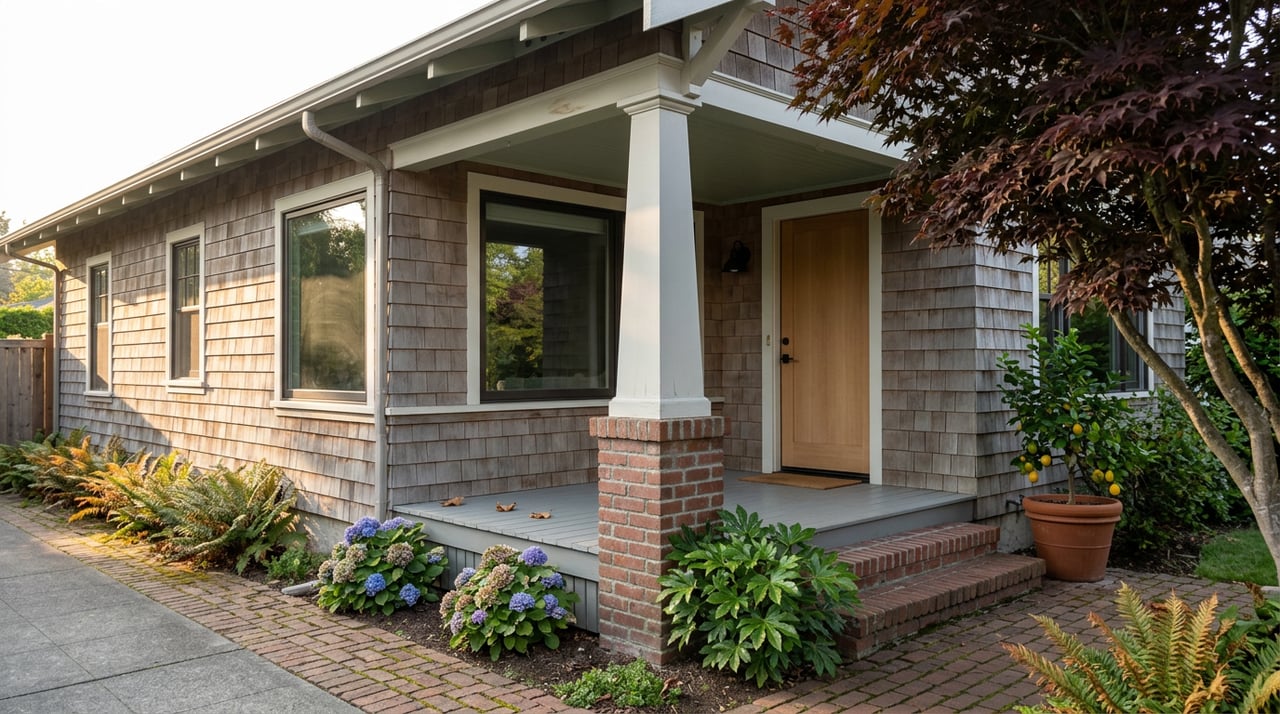
You will see a wide range of prewar styles in Alameda, including Victorian, Edwardian, Colonial Revival, Craftsman, Spanish, and other Period Revival homes. In many historic areas, features like stoops, porches, grouped windows, trim, siding, and rooflines are part of what gives a home its lasting appeal.
That appeal can also shape what you can change later. In Alameda, original materials and visible architectural details often matter in the permit and design review process, especially for exterior work.
Know What "Historic" Can Mean
Not every older home is regulated the same way. A property may have a historic designation, be listed as a Historic Monument, or appear on the Historical Buildings Study List, and those distinctions can affect what approvals apply.
Before you write an offer, it is smart to check the property in Alameda’s CommunityView GIS and review whether it appears on a city historic list. This step helps you understand whether future work may involve added review, more timeline, or different design standards.
If a home is in a historic district or is considered a contributing structure, some projects may need more than a standard building permit. For certain alterations and demolitions, Alameda requires public hearing approval.
Inspect Early and Thoroughly
A historic home purchase works best when you approach due diligence with care. An independent home inspection should happen as early as possible so you can better understand condition, likely repairs, and whether you want to negotiate, request repairs, or move on.
If you can attend the inspection, do it. Walking the home with the inspector can make the report easier to understand and help you spot which issues are cosmetic, which are maintenance items, and which may affect your budget in a bigger way.
Older homes can hide issues behind finished surfaces. That is why a general inspection is the starting point, not always the end of the conversation.
Lead Paint Matters in Pre-1978 Homes
If the home was built before 1978, ask early about lead-based paint. Older homes are more likely to contain it, and deteriorating paint around windows, doors, stairs, railings, and porches can create real concerns.
You should also ask whether any lead testing, lead-safe work, or prior abatement has been done. Federal disclosure rules require known lead information to be shared for pre-1978 housing, along with the opportunity for an independent lead inspection.
Termite and Wood-Damage Checks Matter Too
In Alameda, termite and wood-damage inspections are especially important for older wood-frame homes. Drywood termites are common along the Pacific coastal region, and the damage is not always obvious at first glance.
A structural pest inspection can look for signs like feeding damage, shed wings, fecal pellets, and kickout holes. In an older house, this review can be just as important as the main home inspection.
Review Permit History Before You Offer
One of the smartest things you can do is review the permit history before writing an offer. Alameda’s Permit Portal allows you to search records by address or parcel, with records issued after 1995 available online and older records also accessible.
If a home has had additions, remodels, major repairs, or window replacements, you want to see whether there is a clear paper trail. Missing records do not automatically mean there is a problem, but they are a good reason to ask follow-up questions.
Ask the seller for permits, contractor records, and any documentation tied to past work. This can help you understand whether changes were properly approved and whether future work may trigger additional review.
Plan for Permits and Design Review
Historic Alameda homes often involve more process when you want to make exterior changes. The city states that all exterior improvements require Design Review approval unless exempted, and approval depends on how well the project fits the neighborhood context and the building’s existing style and design elements.
That matters if you are already dreaming about expanding the kitchen, rebuilding a porch, or adding a second story. Even a sensible update may take more time, design coordination, and budget than it would on a newer home.
For some properties, a Certificate of Approval may be required in addition to a building permit. Alameda also notes that the State Historical Building Code may apply to properties on the Historical Buildings Study List, which can provide some flexibility while still protecting historic character.
Windows Deserve Special Attention
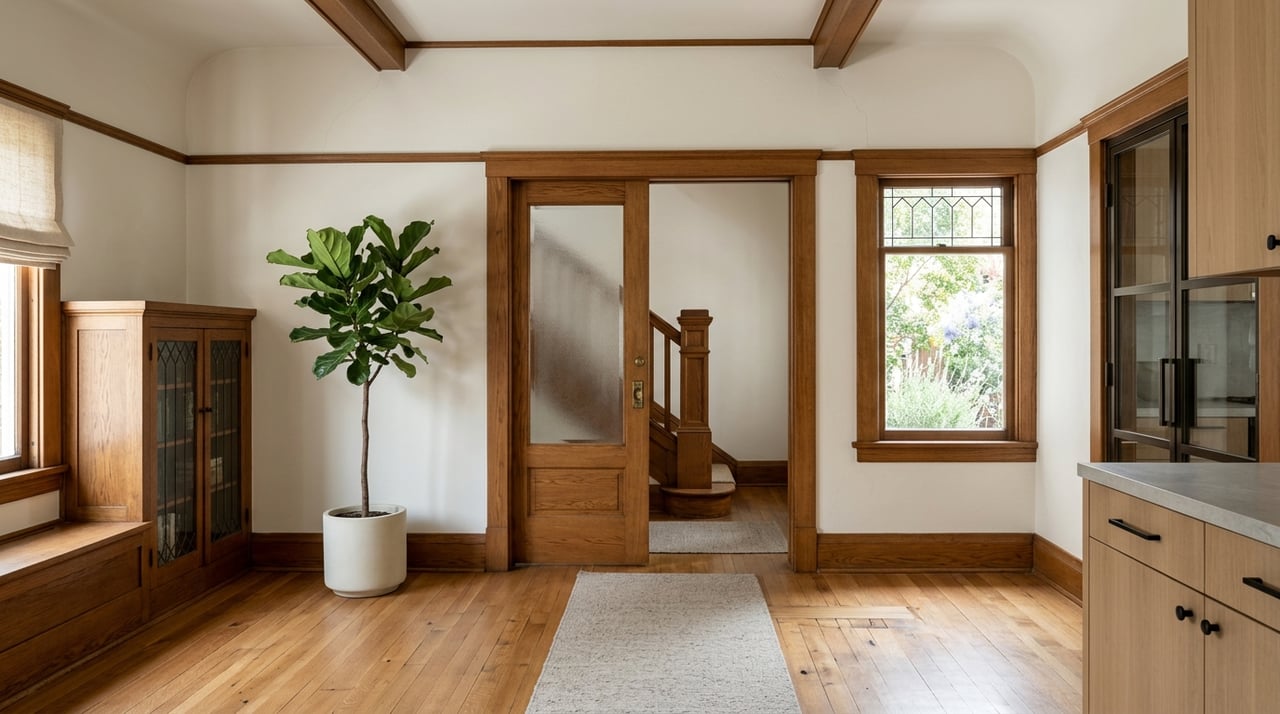
Windows are one of the clearest examples of how historic character and project planning intersect. Alameda’s guidelines emphasize that keeping original windows is important for preserving a home’s charm, character, and resale value.
Significant changes to window size, location, or style require Design Review. Architecturally consistent replacement windows may be exempt, but the city still uses the original window style as the reference point.
If original windows matter to you, make that part of your buying decision. They can influence maintenance costs, renovation choices, and the long-term look of the home.
Budget Beyond the Purchase Price
With a historic home, the true monthly cost is often bigger than the mortgage alone. You should think about payment, maintenance, repair reserves, and insurance together before deciding what feels comfortable.
That is especially important in Alameda, where the age of the housing stock and the city’s environmental context can affect both upkeep and coverage needs. A lower purchase price than a newer home does not always mean a lower total cost of ownership.
Insurance May Be More Layered
California insurance guidance is clear that standard homeowners policies generally do not cover flood, earthquake, termites, insects, mold, or wear and tear. Earthquake coverage is separate, and flood insurance is generally separate as well.
You should get insurance quotes early in the process, not after you are deep into escrow. The dwelling limit should reflect the cost to rebuild the home, not the purchase price or market value, which is an important distinction for older homes with unique materials or details.
Flood and Earthquake Planning Are Part of Alameda Buying
Alameda is a low-lying island, and the city says it is susceptible to flooding. The city advises owners to check whether a property is in a Special Flood Hazard Area, and notes that FEMA has identified more than 1,000 Alameda properties within those areas.
The city’s climate planning also addresses earthquakes, floods, sea-level and groundwater rise, coastal erosion, tsunamis, heat, smoky air, drought, and dam failure inundation. For buyers, that means hazard planning should be part of the home search, not an afterthought.
A separate earthquake policy is needed in California if you want that coverage. The California Earthquake Authority also notes that older wood-framed homes may qualify for up to a 25% discount if they have been properly retrofitted.
A Smart Alameda Buyer Checklist
If you are serious about buying a historic home in Alameda, keep this checklist in mind:
- Check whether the property has a historic designation or appears on a city historic list.
- Review permit history by address or parcel before writing an offer.
- Get an independent home inspection early.
- Consider follow-up inspections for lead and termites when the home’s age or construction calls for it.
- Ask for insurance quotes that include earthquake coverage and, where relevant, flood coverage.
- Decide which original features matter most to you, such as windows, porch details, siding, trim, or roofline.
- Build a reserve for repairs and maintenance into your monthly budget.
The strongest offer on a historic Alameda home is usually the one grounded in reality. When you price in the home’s character, likely inspection findings, possible approval timelines, and ongoing carrying costs, you can move forward with much more confidence.
Buying a historic home in Alameda can be deeply rewarding when you know what you are stepping into. If you want guidance that balances design sensitivity with clear, practical advice, the Jodi Nishimura Group can help you evaluate older East Bay homes with care and confidence.
FAQs
What should you inspect when buying a historic home in Alameda?
- You should start with an independent home inspection, then consider follow-up inspections for lead-based paint in pre-1978 homes and termite or wood-damage issues in older wood-frame houses.
How can you check if an Alameda home has historic status?
- You can review Alameda’s CommunityView GIS and check whether the property appears on the Historic Monuments List or Historical Buildings Study List.
Do historic homes in Alameda need special permits for renovations?
- Yes, some projects may require more than a standard building permit, including Design Review and, in certain cases, a Certificate of Approval or public hearing approval.
Are original windows important in Alameda historic homes?
- Yes, Alameda’s guidelines emphasize retaining original windows when possible because they help preserve the home’s character and can support long-term value.
Does standard homeowners insurance cover flood and earthquake risks in Alameda?
- No, standard homeowners insurance generally does not cover flood or earthquake damage, so you should review separate coverage options early in the buying process.