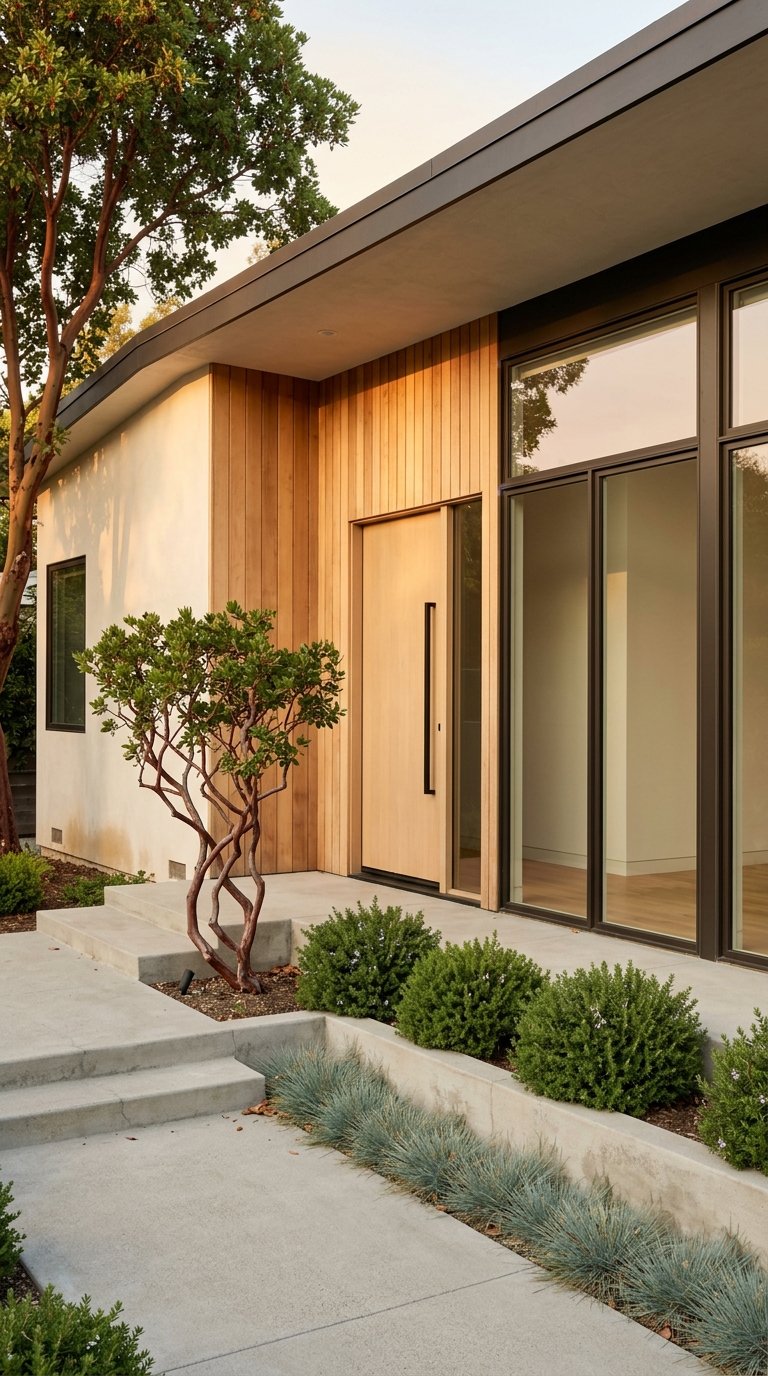
If you own a midcentury or modern home in Berkeley, you are not just selling square footage. You are selling light, lines, materials, and a way the home lives from morning to night. That can feel exciting, but it also raises the stakes because buyers notice details quickly in a design-forward market. In this guide, you’ll learn how to prepare, price, and market your Berkeley home so its architecture reads clearly and its story connects with the right buyers. Let’s dive in.
Why design matters in Berkeley
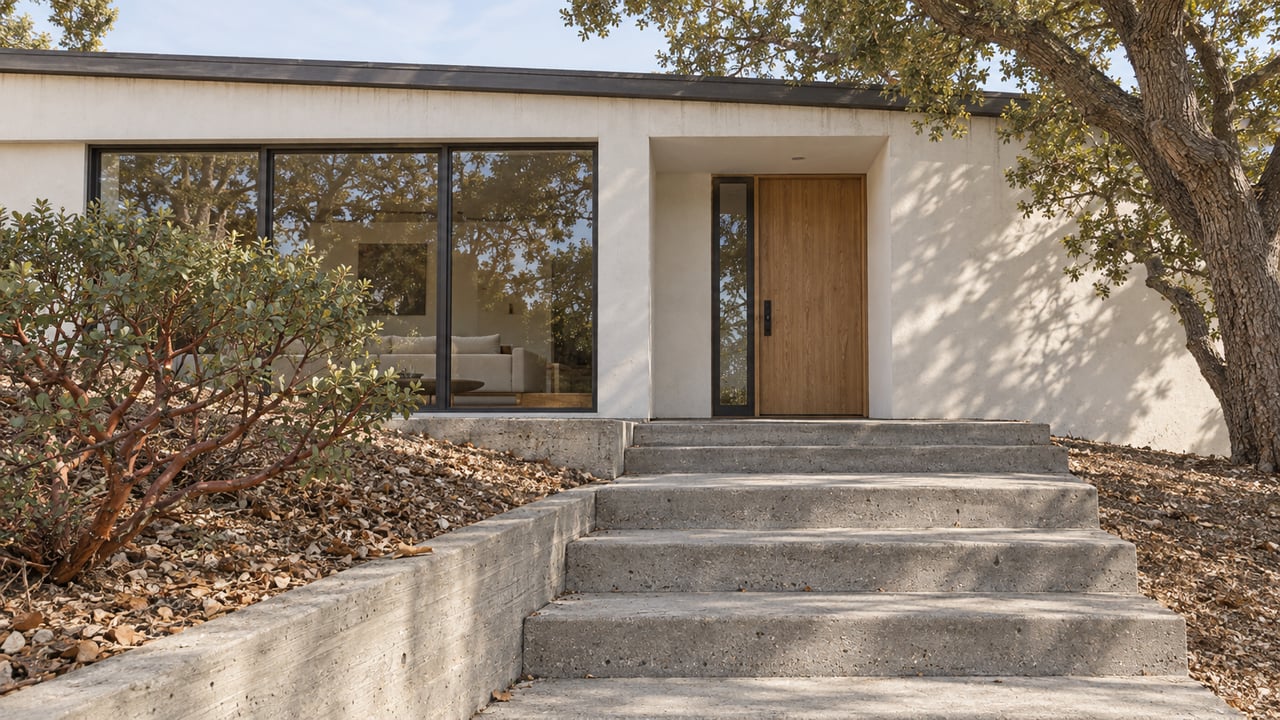
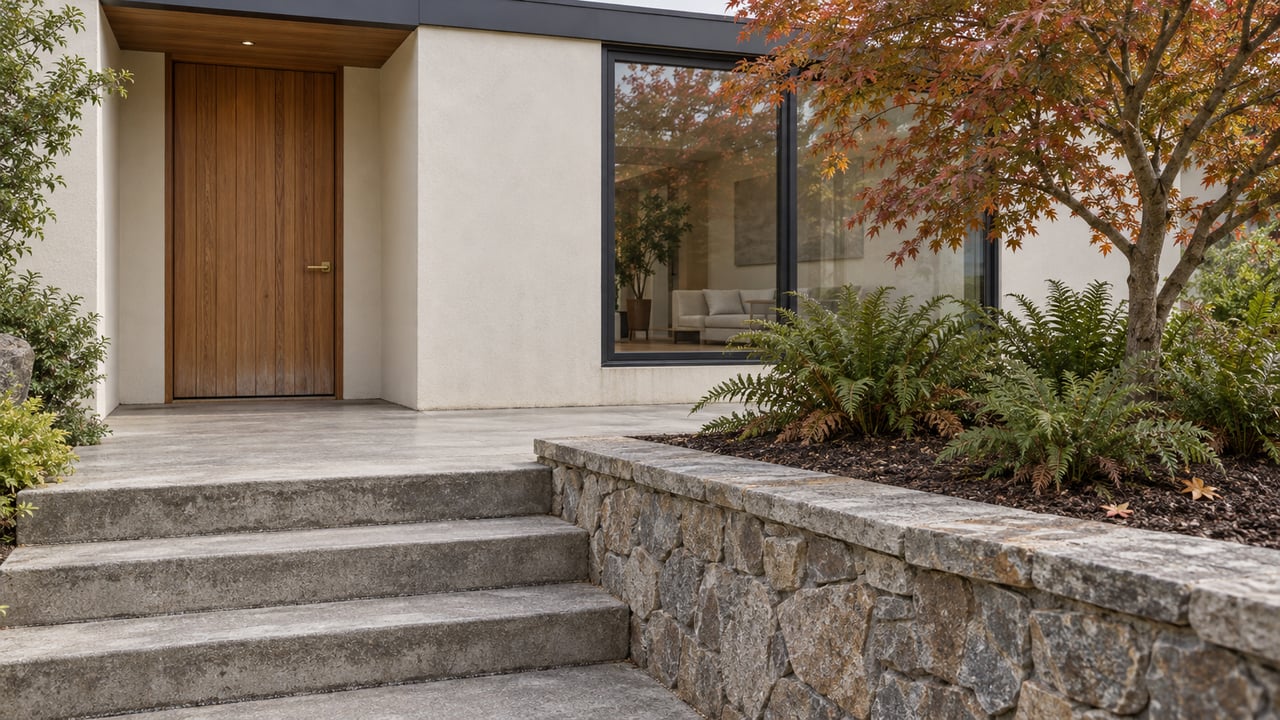
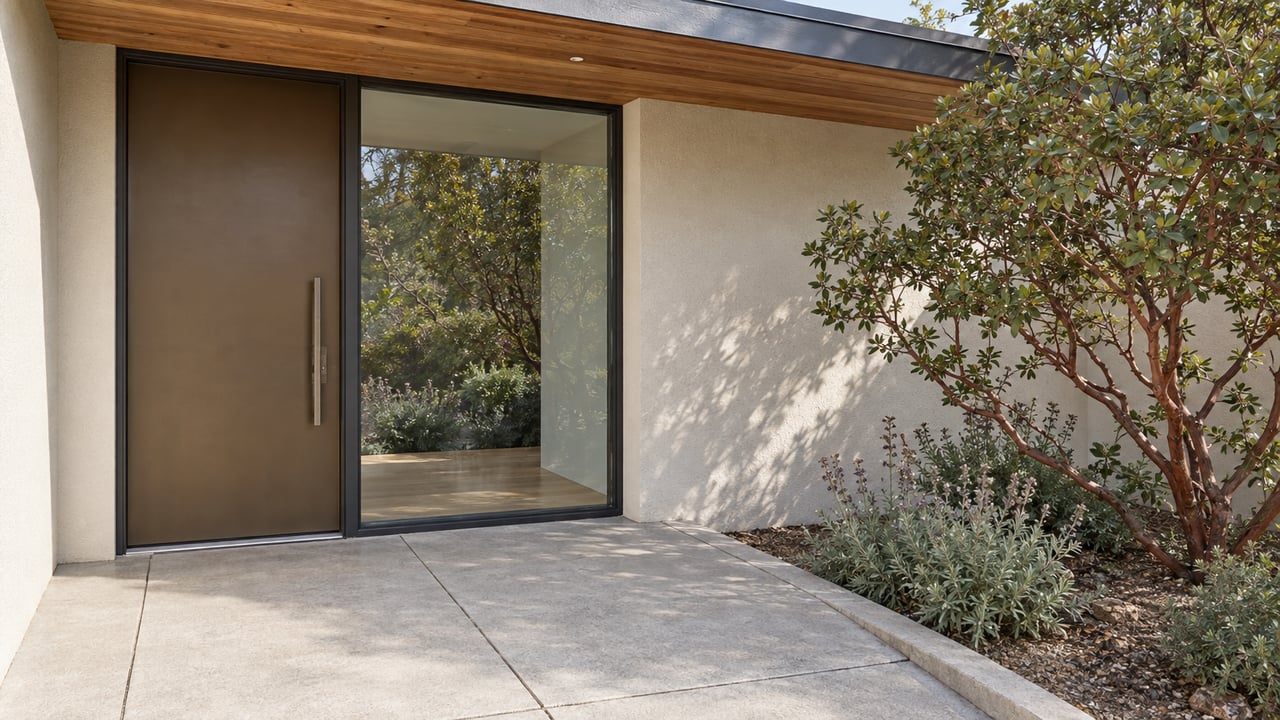
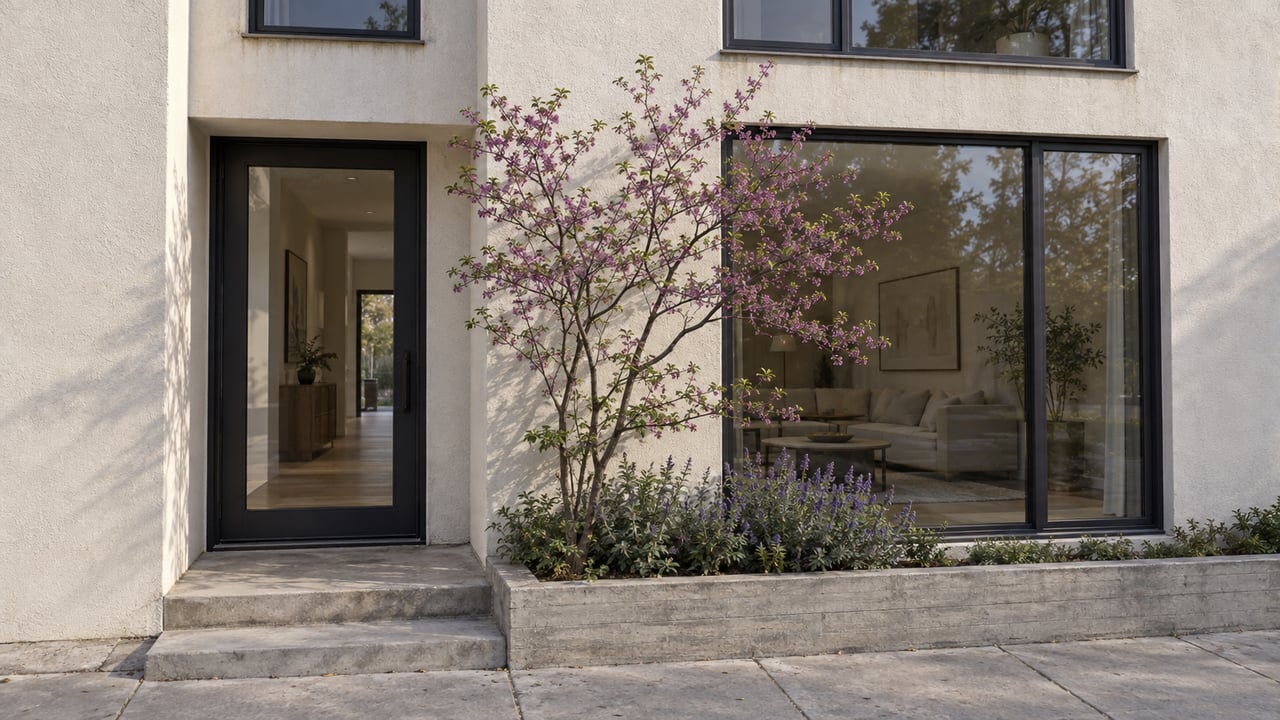
Berkeley has a strong local culture around preservation and modern architecture. The city’s midcentury-modern context statement highlights features like large windows, flat or shed roofs, overhanging trellises, pergolas, and indoor-outdoor living. That means many buyers are not only looking for a home. They are also responding to how a home expresses design.
This matters even more when you list a property in an area known for architecture-forward housing, such as the Berkeley Hills. Local interest in modern homes is real, and Berkeley’s preservation framework shows that architectural significance carries weight here. In practical terms, your marketing should do more than mention upgrades. It should explain what makes the home feel distinct.
The design story should also fit the home’s exact setting. A modern home in the Berkeley Hills may call for a different narrative than one in Westbrae. Buyers respond best when the presentation feels specific to the property and micro-neighborhood, not generic.
Berkeley market conditions today
Recent market snapshots point to a Berkeley market that remains expensive and relatively fast-moving. Zillow reports an average home value of about $1.45 million and says homes go pending in around 15 days. Redfin reports a median sale price of $1.6 million last month, while Realtor.com shows 172 homes for sale and notes that homes sold around asking in March 2026.
These figures are not directly comparable because each source measures something different. Still, together they suggest a market where strong presentation and careful pricing matter. If your home is architecturally notable, your first days on the market are especially important because buyers often form opinions online before they ever schedule a showing.
Prepare the home so the architecture leads
Before listing, your goal is to remove distractions and let the home’s design speak for itself. In a midcentury or modern property, visual noise can compete with the very features buyers are hoping to see. Clear sightlines, natural light, and thoughtful editing often do more than adding extra décor.
Start with the basics:
- Declutter surfaces and storage areas
- Complete minor repairs
- Touch up paint where needed
- Improve curb appeal
- Schedule professional photography
For Berkeley modern homes, it helps to focus on features that support the original design language. That might mean highlighting beams, built-ins, glazing, or indoor-outdoor flow rather than filling rooms with oversized furniture or accessories. The goal is not to make the home feel empty. It is to make it feel intentional.
Stage the rooms buyers care about most
Staging can help buyers picture themselves in the home, especially when the layout is open or the architecture is the main selling point. According to the National Association of Realtors’ 2025 staging survey, 83% of buyer agents said staging makes it easier for buyers to visualize a home. The same report found that the living room, primary bedroom, and kitchen were the most important rooms to stage.
That is useful guidance for Berkeley sellers because those spaces often carry the design story. In a modern home, the living room may show off scale, window placement, and connection to outdoor space. The kitchen may reveal whether updates fit the home’s style. The primary bedroom often shapes the emotional feel of the property.
The survey also found that photos, traditional staging, videos, and virtual tours all mattered to buyers’ agents, with photos ranking especially high. Seventeen percent of buyer agents said staging increased the dollar value offered by 1% to 5%. That does not mean every staged home will see the same result, but it does support the idea that presentation can affect both interest and perceived value.
Build a listing strategy for online buyers
Most buyers begin their search online, so your listing has to work hard from day one. NAR reports that 41% of buyers first look online, and 85% of sellers use an MLS website to market the home. The same research found that photos are the most useful website feature for nearly nine in 10 buyers age 58 and under.
For a Berkeley midcentury or modern home, the order and quality of your visuals matter. The first image should capture a defining architectural moment. That could be the façade, a dramatic wall of glass, or a living space that shows the home’s lines and light. Every photo after that should build the story in a logical sequence.
Floor plans are also highly useful to buyers, which is especially important for open-plan homes. Buyers want to understand flow, scale, and how public and private spaces relate to each other. If your home has a unique layout, a floor plan can reduce confusion and help buyers appreciate the design.
Your listing description should also stay disciplined. Focus on the home’s architecture, layout, updates, views if applicable, and indoor-outdoor living. Avoid vague superlatives. Specific details are more persuasive than broad claims.
Price with design and discipline
Pricing a design-forward home in Berkeley takes more than pulling a few recent comparable sales. You still need comps, of course, but you also need to weigh factors like architectural integrity, quality of updates, views, and permit status. Two homes with similar square footage can perform very differently if one has a stronger design identity or better-executed improvements.
In a market that appears both pricey and relatively quick-moving, overpricing can be costly. The first exposure period is usually when your listing gets the most attention. If the price does not match the presentation and the market, you can lose momentum with the very audience most likely to appreciate the home.
A smart pricing strategy balances aspiration with evidence. It should reflect how buyers search online, how quickly they compare options, and how clearly your home stands apart. For a special Berkeley property, that often means using data and design judgment together.
Check disclosures early
Seller preparation in California includes more than paint and photos. It also includes gathering required disclosures early so buyers can evaluate the property with confidence. California sellers typically need a Real Estate Transfer Disclosure Statement, and when applicable, a Natural Hazard Disclosure Statement.
The California Department of Real Estate notes that Natural Hazard Disclosure can cover flood, wildfire, earthquake fault, and seismic hazard zones. If your home was built before 1978, lead-based paint disclosures and a buyer inspection opportunity are also required. The DRE also emphasizes that the Transfer Disclosure Statement is a disclosure, not a warranty.
For Berkeley sellers, early disclosure prep can help reduce surprises later. It can also support a smoother offer process because buyers often make decisions quickly once a design-forward home gets their attention.
Review wildfire and hillside issues
In Berkeley, location-specific property details can shape your sale strategy. If your home is in a hillside fire zone or another wildfire-risk area, city guidance says there should be at least five feet of defensible space around the home. The city also notes that buildings in certain hillside zones must use wildfire-resistant materials and construction methods.
This does not mean every hillside home faces the same issues. It does mean you should verify the property’s status early and understand what applies. For buyers considering Berkeley hillsides, preparedness and documentation can support confidence.
If your property has notable views, decks, or exterior features that are central to its appeal, it is especially important to understand any location-related requirements before listing. That way, your marketing and disclosures stay aligned.
Know if historic review applies
Some Berkeley homes carry historic or landmark status, and that can affect timing if exterior work is needed before sale. If a property is a City Landmark, Structure of Merit, or Historic District resource, exterior alterations require Landmarks Preservation Commission approval before permit consideration. According to the city, that process can take 3 to 12 months.
If you are thinking about making exterior updates before listing, check this early. Waiting until the last minute can delay your timeline and complicate prep. For many sellers, the best path is to understand the rules first, then decide whether to improve, repair, or market the home as-is.
This is another reason Berkeley-specific planning matters. A strategy that works for a newer home in one part of the East Bay may not fit a historically significant property here.
What buyers notice most
When buyers tour a Berkeley midcentury or modern home, they often react to a few core things right away:
- Natural light and window placement
- Flow between indoor and outdoor spaces
- Original architectural details and whether they feel preserved
- Quality and style of updates
- Clarity of layout
- Condition and permit status
Your listing should be built around those decision points. If the home has a strong architectural identity, every part of the launch should reinforce it, from staging and photography to disclosures and pricing. Consistency helps buyers trust what they are seeing.
A thoughtful sale can protect value
Selling a Berkeley midcentury or modern home is part market strategy and part stewardship. Buyers here often appreciate homes that feel authentic to their design, and they tend to notice when presentation supports that authenticity. When you prepare the property carefully, price it with discipline, and tell a clear design story, you give your home the best chance to stand out.
If you are considering a sale, a thoughtful plan can make the process feel less overwhelming and more intentional. For guidance on pricing, preparation, and elevated marketing for your Berkeley home, connect with the Jodi Nishimura Group.
FAQs
How should you prepare a midcentury home for sale in Berkeley?
- Start with decluttering, minor repairs, paint touch-ups, curb appeal, and professional photography. For a Berkeley midcentury home, it also helps to keep sightlines open and let windows, beams, built-ins, and indoor-outdoor connections stand out.
What rooms matter most when staging a Berkeley modern home?
- NAR’s 2025 staging survey found that the living room, primary bedroom, and kitchen are the most important rooms to stage because they help buyers visualize how the home lives.
Why is pricing so important for a Berkeley design-forward listing?
- Berkeley appears to be an expensive, relatively fast-moving market, so overpricing can waste the initial period when your home gets the most online attention from serious buyers.
What disclosures do California sellers usually need when selling a Berkeley home?
- California sellers typically need a Real Estate Transfer Disclosure Statement and, when applicable, a Natural Hazard Disclosure Statement. Pre-1978 homes also require lead-based paint disclosures and a buyer inspection opportunity.
What should Berkeley hillside sellers check before listing?
- You should verify whether the property is in a wildfire-risk or hillside fire zone, review defensible space guidance, and confirm whether any wildfire-resistant building requirements apply to the home.
Can historic status affect the sale of a Berkeley home?
- Yes. If the property is a City Landmark, Structure of Merit, or Historic District resource, exterior alterations require Landmarks Preservation Commission approval before permit consideration, and that process can take months.