If you are thinking about selling in Piedmont, timing and preparation can shape your result as much as the home itself. In a small, high-value market where inventory stays limited and well-prepared homes can move quickly, the right pre-listing plan helps you protect value and reduce stress. This guide walks you through what to do before you list, how to think about timing, and where local details in Piedmont should influence your strategy. Let’s dive in.
Why Piedmont requires a local strategy
Piedmont is a small city with about 10,816 residents and roughly 3,737 households, according to the U.S. Census. It is also heavily owner-occupied, with a 90.0% owner-occupied housing rate, which helps explain why turnover can be limited and monthly market data can look uneven.
That matters when you sell. Public market reports place Piedmont firmly in the multimillion-dollar range, but the exact numbers vary by source and method. The clearest takeaway is not one headline price point, but that Piedmont remains a high-value market where limited inventory and strong presentation can help a home sell quickly.
Start with prep, not a major remodel
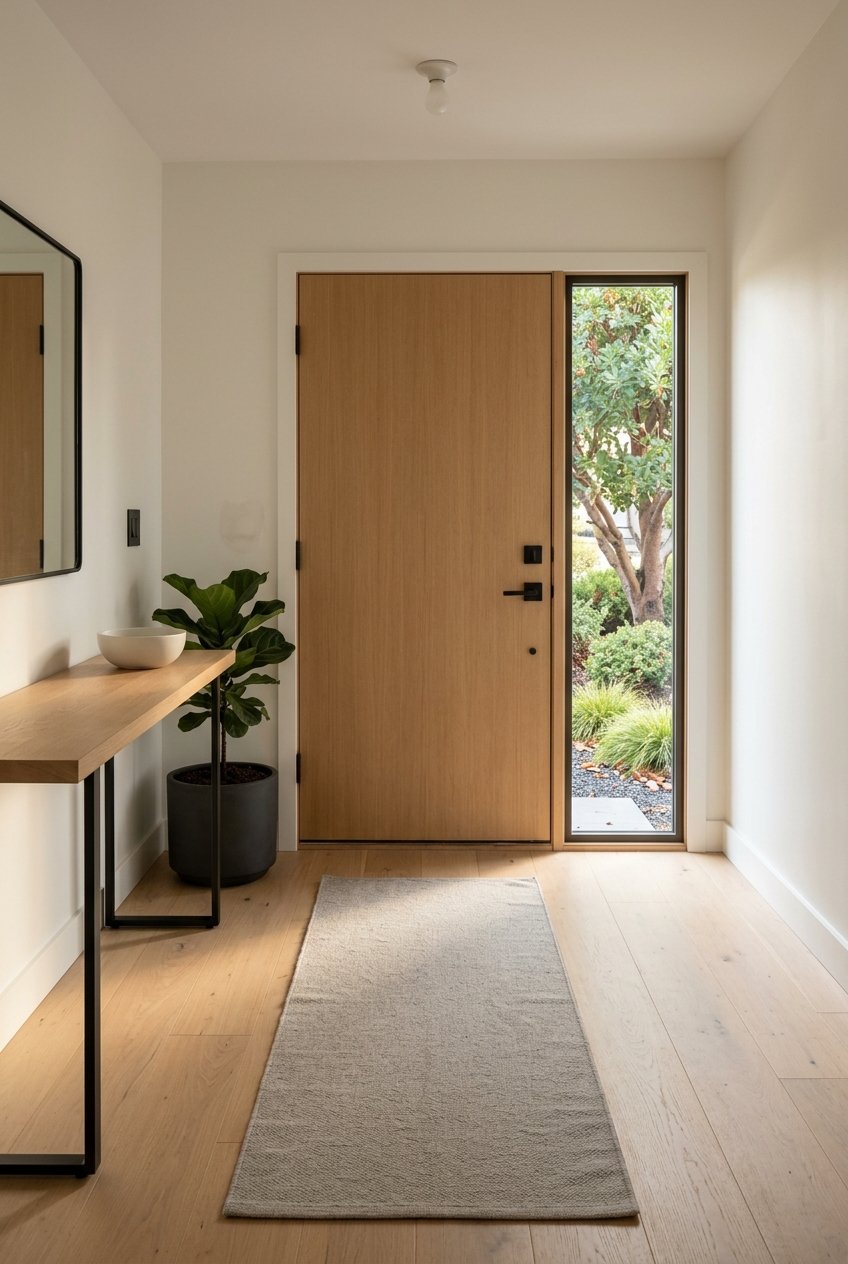
For most Piedmont sellers, the smartest pre-listing investment is presentation. Buyers tend to notice overall condition first, and the basics still matter: decluttering, deep cleaning, repainting, landscaping, staging, and professional photography all help your home stand out.
In a market like Piedmont, buyers often respond well to homes that feel move-in ready. If your home has no obvious major repair issues and presents cleanly, calmly, and clearly, you may get more traction than you would from a rushed renovation that adds delay and uncertainty.
Focus on high-impact updates
Before listing, it often makes sense to prioritize work that improves how the home feels right away:
- Declutter main living spaces
- Deep clean the entire property
- Refresh interior paint where needed
- Improve landscaping and entry sequence
- Stage key rooms for scale and flow
- Invest in professional photography
These steps support the kind of design-aware presentation that can make a real difference in Piedmont, especially for homes with architectural character.
Be careful with rushed renovations
Some upgrades do add value, including remodeled kitchens, updated bathrooms, and newer roofs. But in Piedmont, timing matters because many construction and repair projects require permits, and permit review can take weeks or even months depending on the scope.
Larger projects may also need planning approvals before a permit is issued. If a renovation is not already well underway, a seller usually benefits more from a strategic cosmetic refresh than from trying to force a major remodel just before going to market.
Respect the home’s architectural character
One of Piedmont’s defining features is its varied housing stock. The city includes older bungalow and cottage areas, early streetcar-suburb homes, estate neighborhoods, hillside properties, and midcentury homes in eastern Piedmont with features like open floor plans, post-and-beam construction, attached garages, and one-story living.
That variety is not just interesting background. It should shape how you prepare and market your property. In many cases, preserving original character and presenting it well is more effective than over-modernizing before list.
What buyers may value in different home styles
For character homes, strong selling features may include:
- Original millwork
- Built-ins
- Period windows
- Front porches
- Mature landscaping
- A strong relationship to the street
For midcentury homes, key features may include:
- Open floor plans
- Post-and-beam details
- One-story layout
- Attached two-car garage
- Indoor-outdoor flow
- Clean architectural lines
Piedmont’s design guidelines place importance on context, architectural character, landscape, and how a home relates to the street and neighboring properties. That makes thoughtful presentation especially important here.
Organize permits and project records early
If your home has had additions, system upgrades, exterior changes, retaining walls, fences, or significant landscape work, it is wise to organize records before listing. The City of Piedmont notes that most construction and repair projects require permits, and buyers may look closely at that history during due diligence.
Having permit records, project details, and prior renovation documentation ready can help reduce friction once your home is on the market. It also helps your agent tell a clearer story about the property, especially if you have completed meaningful improvements over time.
Price from the comps, not the headlines
In Piedmont, citywide averages can be misleading. Because the city is small and the number of monthly sales can be thin, a handful of transactions can swing broad market statistics in either direction.
That is why pricing should be based on recent comparable sales and the specific features of your property. Lot size, condition, views, architectural significance, and location within Piedmont can all matter more than one citywide median.
Why dashboard data can conflict
Recent public reports do not tell one simple story. One source showed March 2026 sale prices down year over year, while another showed April 2026 home values up year over year. Those figures are not necessarily inconsistent, but they do measure different things.
For you as a seller, the lesson is simple: avoid pricing off a single data point. A strong list price should reflect current comparable sales, current competition, and how your home is likely to show in today’s market.
Competitive pricing still matters
Piedmont remains a fast-moving, high-value market where well-presented homes can attract multiple offers. Redfin reported about six offers per home in March 2026 and a median of 12 days on market, which supports a strategy of pricing competitively from day one rather than starting high and adjusting later.
When a home enters the market with strong presentation and a realistic price, you are more likely to capture attention early. That first wave of buyer interest is often where the best momentum happens.
Time your listing around Piedmont seasonality
Spring is the clearest seasonal window for sellers. Redfin’s 2026 market guidance says homes tend to sell fastest and for the most money from late March through early May, with late March and April standing out in particular.
That does not mean other seasons cannot work. It does mean that if you have flexibility, spring usually gives you the strongest combination of buyer activity and market energy.
How the school calendar can shape timing
Piedmont Unified serves about 2,400 to 2,450 students across three elementary schools, one middle school, one traditional high school, and one alternative high school. The district’s 2025-26 instructional calendar ends on June 4, 2026, with the next school year beginning in August 2026.
For many buyers planning a move around the school year, late spring into early summer can feel especially practical. If you want to reach buyers who hope to close and move during summer, listing before school lets out can support that timeline.
Fall and winter can still work
A spring launch is not your only option. Fall and winter may still work well for buyers who are less tied to the school calendar, and architecturally distinctive homes can draw attention in any season when they are marketed thoughtfully.
The key is not chasing a perfect month. It is matching your timing, level of preparation, and pricing strategy to the kind of buyer most likely to respond to your home.
Market the whole property, not just the rooms
In Piedmont, the home is rarely just the interior square footage. The city’s planning documents note that views help define local architecture and can enhance property values, so if your home has a view, that feature should be clear in both photos and marketing copy.
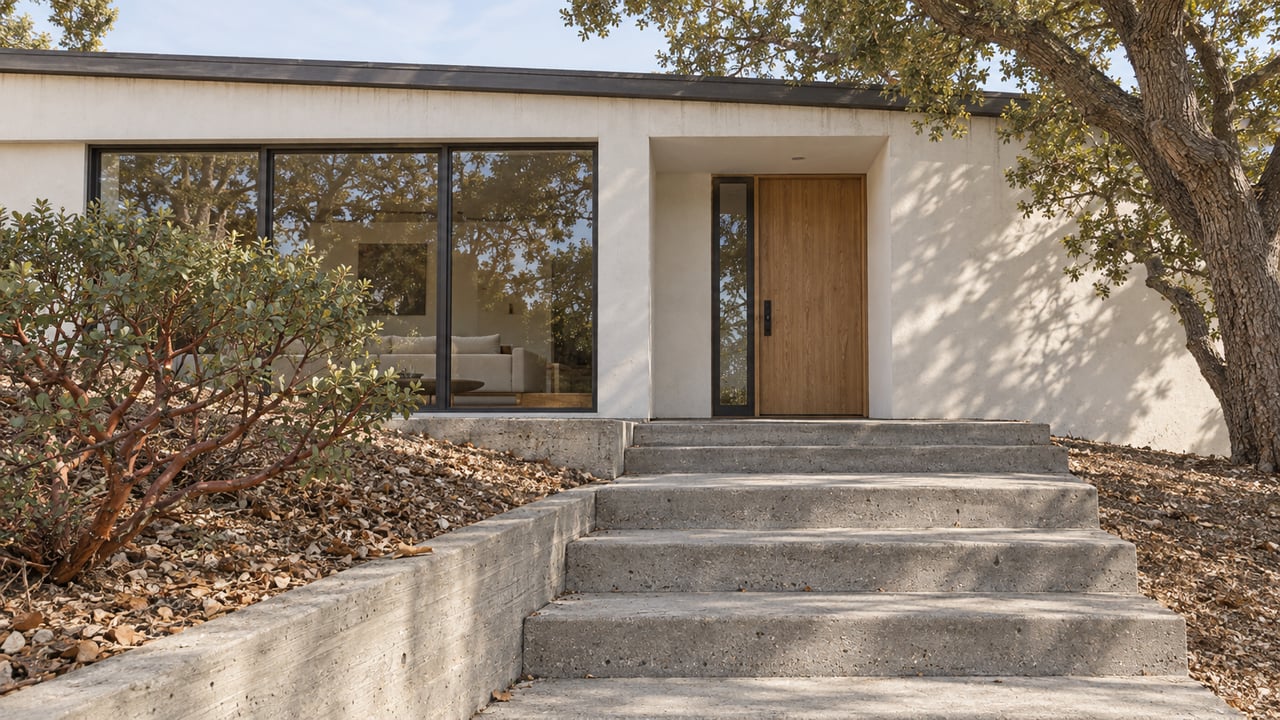
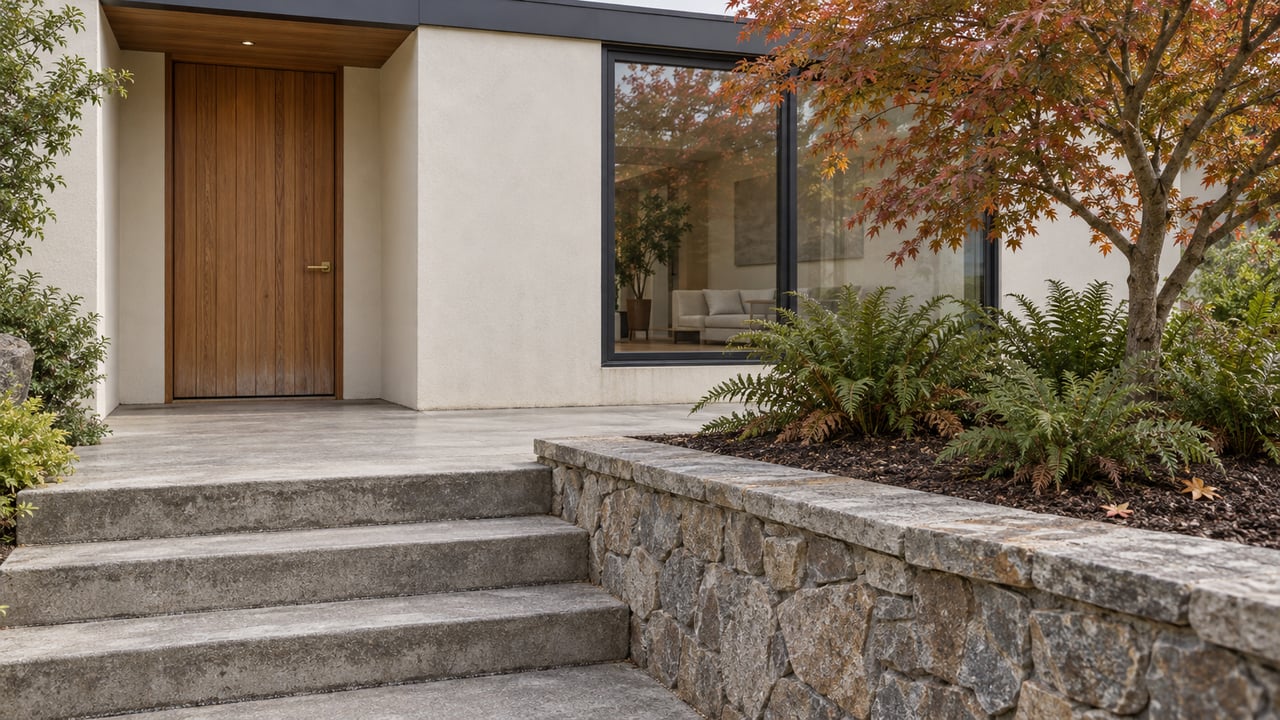
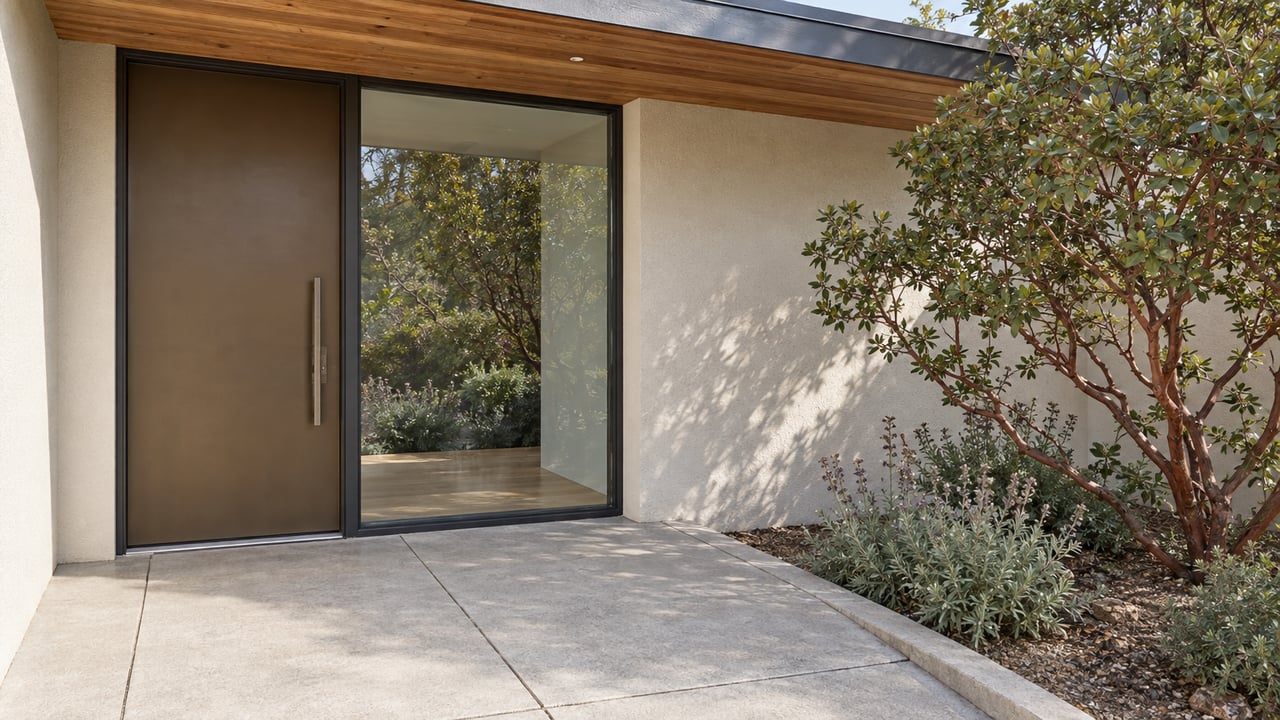
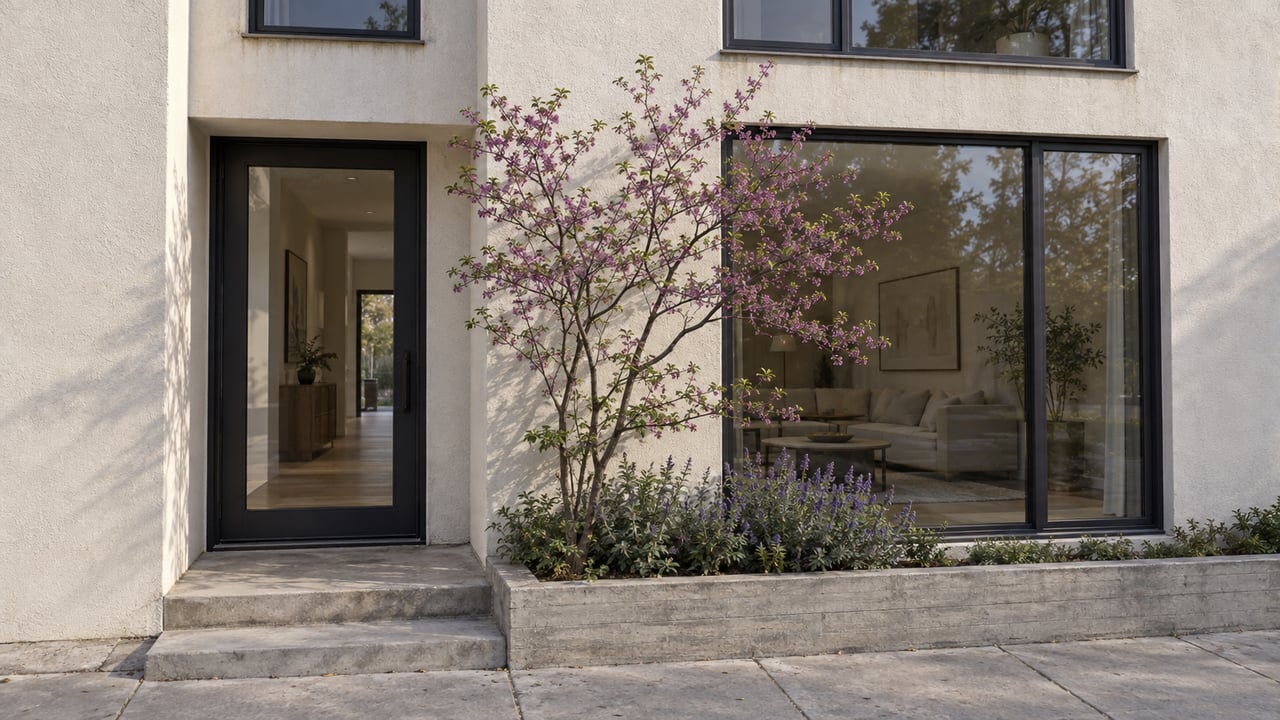
The same is true for lot setting, mature landscaping, façade, and street presence. In a place with strong architectural identity, the walk from curb to front door is part of the experience buyers are evaluating.
What to showcase in your listing campaign
A strong Piedmont listing campaign should often highlight:
- Architectural style and period details
- Views, if present
- Landscaping and outdoor setting
- Façade and street presence
- Natural light and room flow
- Major updates with documentation
This is where elevated marketing can make a meaningful difference. Clean visuals, strong storytelling, and a clear explanation of what makes the property special can help buyers understand value quickly.
A simple pre-listing timeline
If you are planning to sell in Piedmont, this sequence can help keep your preparation focused:
6 to 10 weeks before listing
- Review comparable sales and pricing strategy
- Walk the property and identify cosmetic improvements
- Gather permit records and renovation documentation
- Decide whether any repairs are worth completing
3 to 5 weeks before listing
- Declutter and deep clean
- Complete paint touch-ups and landscape refresh
- Schedule staging and photography
- Finalize marketing positioning around style, setting, and features
1 to 2 weeks before listing
- Finish staging
- Confirm disclosures and property records
- Review launch pricing
- Prepare for showings and buyer traffic
A calm, well-sequenced rollout usually beats a rushed sprint. In Piedmont, that extra care often shows.
If you are weighing when to sell, the best plan is one built around your home, your timeline, and the realities of this very specific market. Thoughtful prep, context-aware pricing, and design-forward marketing can help you enter the market with confidence. When you are ready for a tailored strategy, connect with the Jodi Nishimura Group for guidance rooted in East Bay expertise.
FAQs
When is the best time to sell a home in Piedmont?
- The strongest general window is late March through early May, with late March and April standing out as the busiest spring period for sellers.
Should you remodel before selling a home in Piedmont?
- Usually, sellers benefit more from cosmetic improvements like cleaning, paint, landscaping, staging, and photography than from a rushed major remodel, especially because many projects in Piedmont require permits and can take time.
How should you price a home in Piedmont?
- A Piedmont home should usually be priced using recent comparable sales and property-specific factors like condition, lot, views, and architectural character rather than broad citywide averages.
Why do Piedmont market numbers sometimes seem inconsistent?
- Piedmont is a small market with limited inventory, so different reports may show different results depending on timing and methodology.
What should sellers highlight in a Piedmont listing?
- Sellers should highlight the home’s architectural style, preserved character, views if present, landscaping, street presence, and any major updates that have clear documentation.
Do you need permit records before listing a home in Piedmont?
- It is very helpful to have permit and project records organized before listing, especially if the home has had additions, system work, or visible exterior changes.